
E-learning platform design & development
Elixel researches, designs and builds e-learning platforms and apps for schools, health organisations, charities and training providers. Learners stay engaged, find what they need and make progress you can measure.


Trusted by




Results
The challenge
E-learning competes with every other notification on a learner's phone. Outdated screens, confusing navigation and content that isn't accessible frustrate people and stop them reaching their goals. And if you can't see how learners are progressing, it's hard to show the platform is worth the investment.
"The Elixel team were central to me being able to turn my idea into a pioneering app that meets the needs of its intended users."
Barry Kick
Founder
NetHabit
The basics
An e-learning platform is a website or app where people learn at their own pace: working through courses and modules, tracking their progress and getting feedback. A bespoke platform suits organisations whose learners, content or reporting don't fit an off-the-shelf learning system, such as schools, health organisations, charities and training providers.
What we design for

Interactive content, clear progress and reminders that bring people back.
So more learners finish what they start.

Simple navigation and search, so learners spend their time learning rather than looking.
So fewer learners give up early.

Built-in assessments and progress tracking, for learners and the people supporting them.
So you can see what's working and prove it.

Accessible design and plain language, tested with the people who'll use it.
So no one is left out.
Not every platform needs all of these on day one. Discovery tells you which matter most to your learners, so the first release is focused and the rest can follow.
How we work
Whether you're starting with an idea or improving a platform learners have stopped using, we research with real learners first. We lead the project from the first question to the next release.
Step 1
Discover
Your learners, the people supporting them and your existing content
Discovery & scopingOur work

Education
Designing a cross-platform mobile app that helps parents and carers to improve their childrens sleep
Read the case study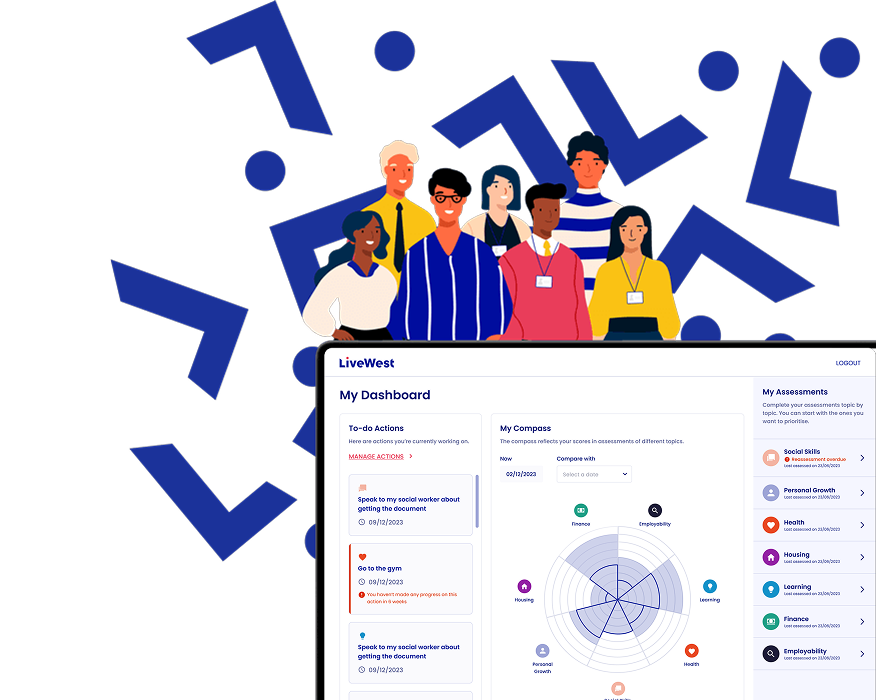
Human health & social care
Designing a digital assessment tool that supports meaningful conversations with young people
Read the case study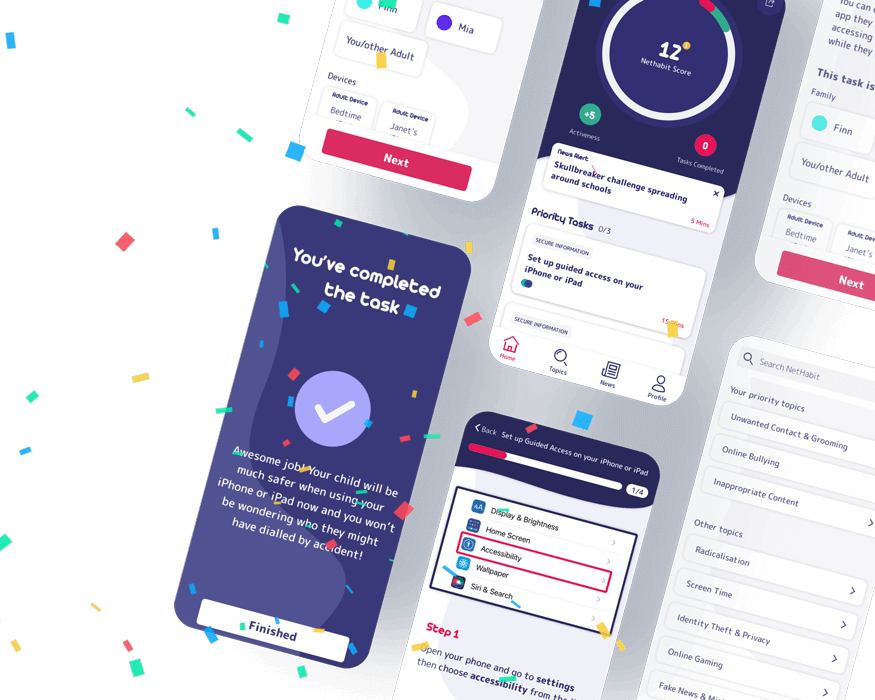
Human health & social care
Developing a mobile app that helps keep kids safe online. Gamified support for parents with young children
Read the case studyWhether you're planning a new platform or reviving one learners have stopped using, book a discovery call. We'll tell you honestly where we'd start.
FAQs
Something else on your mind? Book a discovery call and ask us directly.
It depends on how much content you have, who your learners are and what you need to report on. We give you a scope and estimate at the end of discovery, before you commit to a build.
An off-the-shelf learning management system is quicker and cheaper to start, and suits standard training. A bespoke platform makes sense when your learners, content or reporting don't fit, for example young people with additional needs or learning that sits inside a wider service. A discovery tells you which fits before you commit budget.
Yes. Web platforms work on any device, and we also build iOS and Android apps from one codebase. Sleep Wise, a sleep education app we worked on, is used by parents, schools and health professionals on their phones.
We research and test with real learners before anything is built, then design short modules, clear progress and reminders. For NetHabit we tested the app over multiple rounds with parents and added points for completing tasks.
Yes. During discovery we plan how your existing content moves across and what needs rewriting for screens, and we set up a content management system your team can update.
Most projects start with a three to six week design sprint, from wireframes to a tested prototype. The build is then released in stages.
Further reading

