

Elixel is an award-winning UX research agency, founded in Plymouth and working with organisations across the UK. We run usability testing, user interviews, UX audits and journey mapping that show you how people actually behave, not just what your data says.

Trusted By









Why Elixel
A manufacturer's dashboard showed one supplier constantly delivering late. The data was unambiguous. Then a researcher walked the process and found the deliveries were arriving on time; they just weren't checked in until the next day. The data was accurate; the conclusion was wrong. That's what UX research protects you from.
UX research closes the gap between what your systems report and what your people and customers actually do. No dashboard, and no AI model, can surface knowledge that isn't written down anywhere. It takes someone asking questions in the room.
What's included

Structured conversations and on-site observation with the people your product serves. The knowledge that matters usually isn't written down anywhere. It lives in workarounds, habits and the gap between the documented process and the real one.

We watch real users attempt real tasks with your product or prototype, moderated or unmoderated, remote or in person. Small rounds run often beat one big study: around five users per round uncovers most problems.

An expert review of your product against established usability principles, combined with your analytics and a map of the end-to-end journey. You get a prioritised report: what's costing you users, what to fix first, and why.
How we work
Every engagement is scoped around a decision you need to make, and most run two to four weeks: a week to plan and recruit, one to two weeks of sessions, and a week of analysis.
You get a research plan tied to your questions, recorded interview and testing sessions, journey maps grounded in evidence, and an insight report with prioritised recommendations, finished with a working session to turn findings into next steps.
Research runs through every Elixel project: it shapes discovery and scoping, gives design its direction, and after launch shows what to improve next.
Step 1
Plan
Scoped around the decision you face
Step 2
Observe
Interviews and testing, recorded
Step 3
Analyse
Patterns, not anecdotes
Step 4
Report
Prioritised actions, not transcripts
Case studies
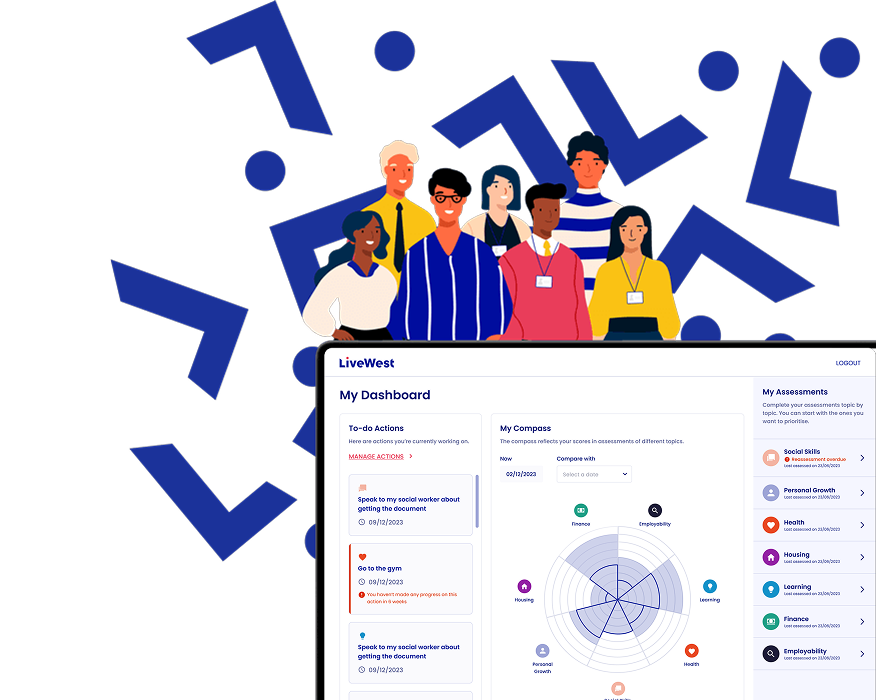
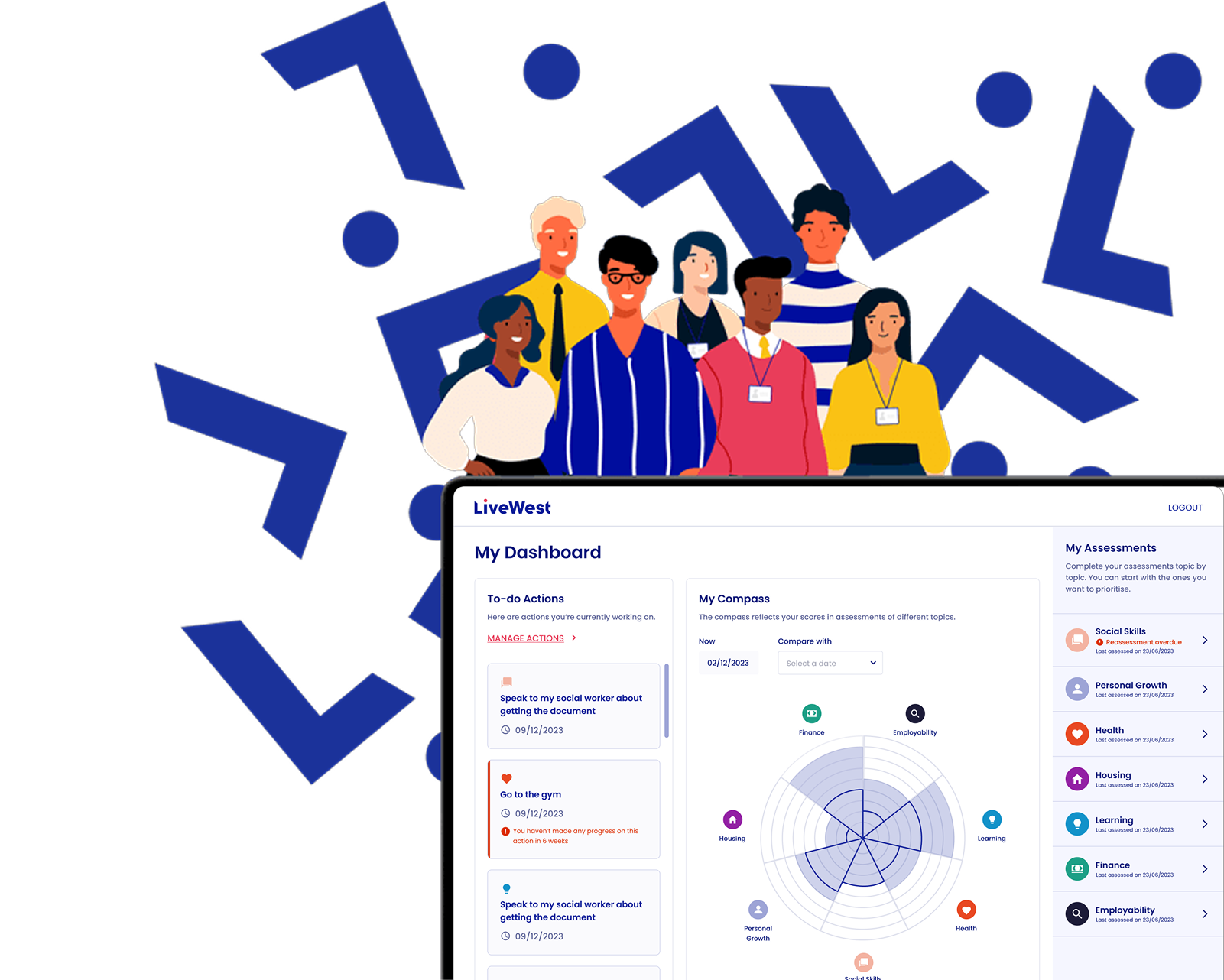
Sessions with young people and support workers shaped an evidence-based tool for measuring progress.
See how research shaped the LiveWest Compass platform
We reviewed and analysed customer feedback to find where WPA's digital service could work harder for its members.
See how customer research guided WPA's platform
A discovery analysis of internal processes and customer insight showed how to make claims simpler for Healix members.
See how discovery research reshaped Healix's claims journeyWhat clients say
“In our partnership with Elixel, we have created an evidence-based measuring tool which will improve outcomes for young people. Elixel worked with patience and diligence over three years to produce a digital compass that gives us what we want now for our customers — approximately 500 young people — and which has the potential to grow.”
Jenny Endean, Young Person Service Development Manager, LiveWest
FAQs
Something else on your mind? Book a discovery call and ask us directly.
Market research tells you what people say: their opinions, preferences and buying intentions. UX research shows you what people do: how they actually behave with a product, process or service. Both are useful, but observed behaviour is far more reliable than stated opinion when you're deciding what to build.
Around five users per round of testing uncovers the majority of usability problems. Rather than one large study, we run small rounds often: test, fix, test again. It's faster, cheaper, and each round builds on what the last one found.
A UX audit combines an expert review of your product against established usability principles, analysis of your analytics data, and a walkthrough of your key user journeys. You receive a prioritised findings report: what's hurting users, what to fix first, and the evidence behind each recommendation.
Yes. Analytics tell you what is happening; research tells you why. Data can be accurate and the conclusion still wrong, as our late-deliveries story above shows. Analytics flag the symptom; research in the room finds the cause.
Most focused engagements run two to four weeks: a week to plan and recruit, one to two weeks of sessions, and a week of analysis and reporting. Larger discovery programmes take longer, but we scope every project around the decision you need to make, not a fixed process.

